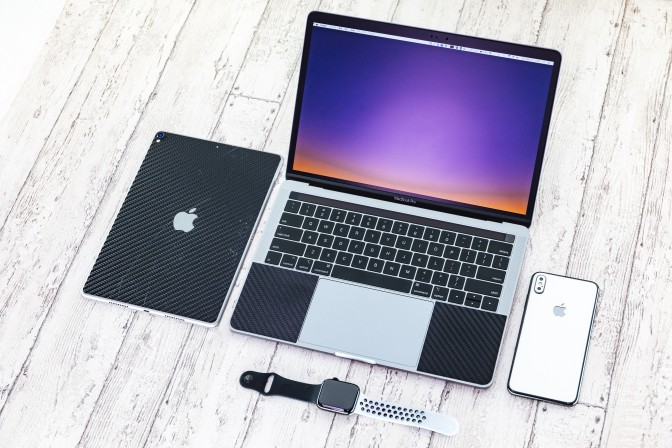
Apple has announced price hikes for several of its iPad and MacBook models, attributing the increases to a significant surge in memory and storage chip costs driven by growing demands for artificial intelligence (AI) infrastructure. The tech giant explained that it had been absorbing these elevated component costs for some time but now finds it necessary to pass a portion of these expenses onto consumers.
The price adjustments impact a range of Apple products, including MacBooks, iPads, HomePod speakers, and Apple TV devices. In particular, MacBook models with higher storage capacities have seen more pronounced price increases due to the escalating costs of memory. The expansion of AI globally has led chip manufacturers to prioritize their supply towards AI data centers and advanced computing systems, which has in turn limited the availability of memory components for consumer electronics companies, thereby driving up production costs across the technology sector.
Despite the challenges, Apple has managed to mitigate some of the impacts thanks to its robust supplier network, which has lessened the blow compared to some of its competitors. However, industry analysts predict that the pressure on device pricing is likely to persist. There are also growing concerns that future iPhone models might experience similar price adjustments as companies continue to grapple with soaring component costs.
The increasing cost of memory chips is anticipated to have wider implications for the technology market, potentially affecting smartphone and PC sales. Manufacturers are expected to face mounting production expenses at a time when consumer demand appears to be weakening, adding further strain to the industry.