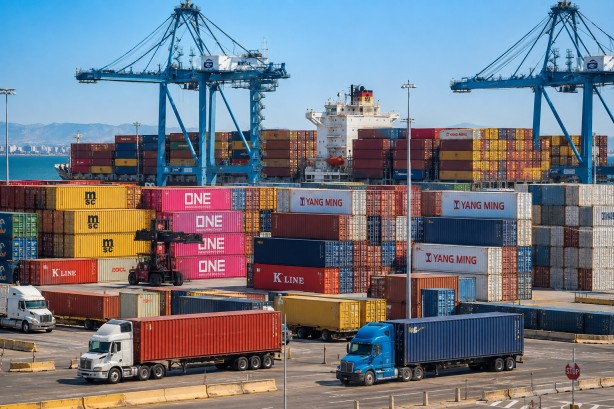
The U.S. government has issued refunds amounting to approximately $100 billion in tariffs that had been collected under former President Donald Trump’s trade policy. This action follows a Supreme Court decision that deemed a substantial portion of these tariffs unlawful. The refunded amount represents about 60% of the $165 billion gathered before the court’s ruling. These tariffs were initially introduced as part of Trump’s strategy to enhance domestic manufacturing, secure advantageous trade deals, and bolster government revenue.
In compliance with the court’s verdict, the administration returned the collected duties to the companies affected. However, the refunds have not mitigated the growing federal budget deficit, which has reached $1.37 trillion in the first nine months of the fiscal year. Despite the financial challenges, the Trump administration has pressed forward with a new series of tariffs, ranging from 10% to 12.5%, targeting imports from over 80 countries, including significant trade partners such as India, China, the United Kingdom, Canada, Mexico, Australia, and the European Union.
The newly imposed tariffs are justified by concerns over products allegedly linked to forced labor. However, these measures have sparked fresh legal challenges. A coalition of 25 U.S. states is actively seeking to block these tariffs, arguing that the new duties unlawfully replace those previously invalidated by the Supreme Court.
This legal pushback highlights ongoing tensions surrounding U.S. trade policies and the complex dynamics of international trade relations. As the legal battles unfold, the implications for global trade and the domestic economy remain a significant point of concern for policymakers and businesses alike. The outcome of these challenges will likely have lasting effects on the future of U.S. trade strategies and their impact on the global market.