China has reclaimed its position at the pinnacle of global supercomputer rankings with the introduction of its new LineShine system. This development marks the nation’s return to the forefront after several years, underscoring significant advancements in its domestic computing technology. However, experts caution that this achievement does not necessarily place China ahead of the United States in the realm of artificial intelligence capabilities.
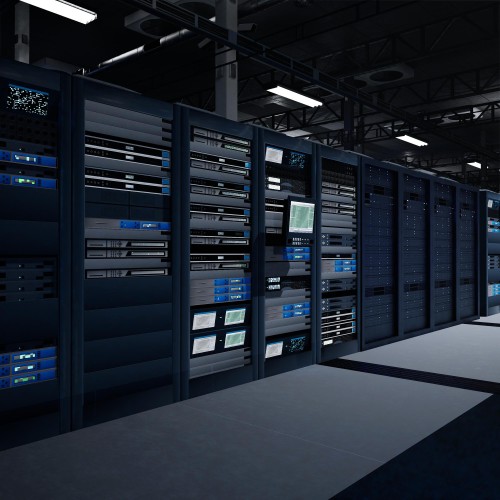
The LineShine supercomputer is housed at the National Supercomputing Centre in Shenzhen and is powered by domestically developed chips. It has surpassed the previous leading US system in the rankings. Despite this, analysts emphasize that traditional supercomputer rankings primarily assess machines designed for scientific computing tasks and do not fully capture performance in contemporary AI workloads.
Many of the world’s most potent AI systems are constructed by large technology firms and fall outside the scope of these rankings. According to experts, cutting-edge AI computing relies heavily on specialized chips and extensive data center infrastructure. Thus, while China’s advancement is notable, it does not wholly reflect its standing in AI technology.
China’s resurgence to the top spot is viewed as a testament to its ongoing efforts to bolster self-reliance in chip design and computing technology. Nevertheless, the nation continues to face challenges, particularly regarding access to advanced AI chips, which are crucial for furthering AI development.
The competitive landscape in advanced computing between China and the United States continues to intensify, with both nations making significant investments in artificial intelligence, quantum technology, and next-generation computing systems. This rivalry underscores the global race for technological supremacy in these critical fields.